Divya Test
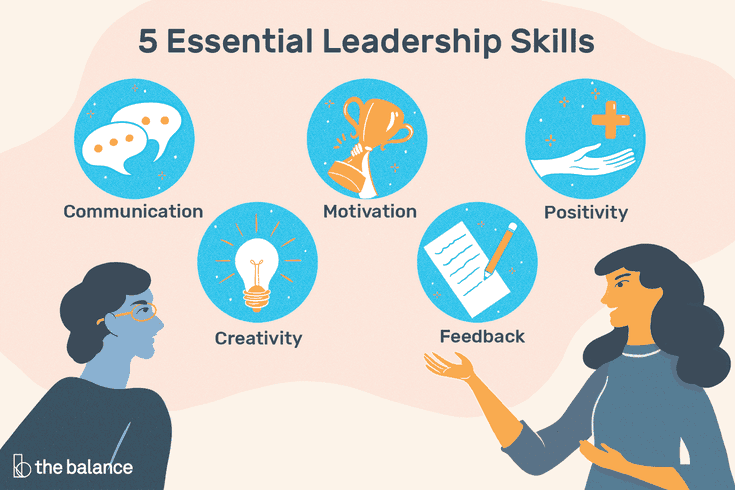
What makes a good leader? It’s a question that could be answered in so many ways, but this blog covers 5 essentials.
Irrespective of how you define a leader,the result is ultimately tested
#1 – Communication
Words have an incredible power to motivate and inspire teams, not only when spoken but also when written and listened to, so it will come as no surprise when we say that communication is one of the most basic, yet vitally important skills of a good leader. In fact, according to the Center for Creative Leadership, “Communicating information and ideas, is consistently rated among the most important skills for leaders to be successful.”
#2 – Creativity
In our ever changing, fast paced and often challenging world, leaders must be able to ‘think outside of the box’ and choose to make creative decisions that do not necessarily have a clear answer. This includes learning to approach and solve problems in non-traditional ways and using critical thinking, imagination, observation and open mindedness to deliver innovative solutions and ideas.
#3 – Motivation
Leaders need to inspire their workers to go the extra mile, which is why the importance of managing people and relationships is generally much more important than tasks. This isn’t to say that tasks don’t matter, but a large part of the role as a good leader is to motivate and inspire other people to do the tasks well.
4 – Positivity
A positive attitude can go a long way. Creating a space where employees feel respected and cared about encourages interpersonal relationships and a friendly manner to develop amongst colleagues. Simple team building activities, positive reinforcement, appreciation and acknowledgment of both team and individual achievements helps to develop a positive atmosphere and raises morale among staff members.
#5 – Feedback
If you want to be a good leader you have to be prepared to lead in all areas, including the not so easy ones. With a futuristic vision, it’s important to relay feedback in a positive and creative way by teaching employees how to improve their work and make their own decisions. You have to be able to judge when to listen, when to think and when to decide.
Being open to receiving feedback yourself helps team members to respect you more as a leader and this will also ensure that you feel more confident delegating tasks to your staff. In turn, your team members will also respect you more for taking on their feedback and listening for what they have to say.

Comments
Post a Comment